Early Warning Signs of Serious Illness in Dogs | Pet Nugget
Many dog owners assume their pet is “fine” as long as they’re eating and walking. Unfortunately, dogs instinctively hide pain, and by the time obvious symptoms appear, an illness may already be advanced.
Catching health problems early can save your dog’s life—and save you thousands in emergency vet bills. This guide explains the early warning signs of serious illness in dogs, what they mean, and exactly what to do next.
🚨 Why Early Detection in Dogs Is Critical
Dogs age faster than humans. A small symptom that seems harmless today can become a medical emergency within weeks.
Early detection helps:
Prevent chronic disease
Reduce treatment costs
Improve recovery success
Extend your dog’s lifespan

What to watch for:
Skipping meals
Eating much less than usual
Sudden overeating
Possible causes:
Dental disease
Kidney or liver issues
Infections
Cancer
👉 What to do:
If appetite changes last more than 24–48 hours, contact a vet.
2️⃣ Unexplained Weight Loss or Gain
Rapid weight changes—without diet changes—are a red flag.
Possible causes:
Diabetes
Thyroid disorders
Parasites
Heart disease
👉 What to do:
Weigh your dog monthly and report sudden changes.
3️⃣ Lethargy or Low Energy
If your playful dog suddenly becomes inactive, something may be wrong.
Possible causes:
Infection
Anemia
Heart problems
Pain or injury
👉 What to do:
Lethargy lasting over 24 hours needs veterinary attention.
4️⃣ Changes in Drinking Habits
Warning signs:
Drinking excessively
Drinking very little
Possible causes:
Kidney disease
Diabetes
Hormonal imbalance
👉 What to do:
Track water intake and report drastic changes.
5️⃣ Vomiting or Diarrhea (Persistent)

Occasional stomach upset is normal—but persistence is not.
Possible causes:
Infections
Poisoning
Pancreatitis
Intestinal blockage
👉 What to do:
If symptoms last more than 24 hours, see a vet immediately.
6️⃣ Difficulty Breathing or Persistent Coughing
Watch for:
Heavy panting at rest
Wheezing
Blue or pale gums
Possible causes:
Heart disease
Lung infection
Allergic reactions
👉 What to do:
Breathing issues are emergencies—seek help fast.
7️⃣ Changes in Urination
Red flags:
Urinating more or less often
Accidents in trained dogs
Blood in urine
Possible causes:
Urinary tract infections
Kidney disease
Bladder stones
👉 What to do:
Schedule a vet visit if changes persist for 24 hours.
8️⃣ Limping or Difficulty Moving
Even mild limping can signal serious pain.
Possible causes:
Arthritis
Ligament tears
Bone infections
Injury
👉 What to do:
Limit movement and consult a vet.
9️⃣ Skin, Coat, or Eye Changes
Warning signs:
Hair loss
Red or cloudy eyes
Excessive scratching
Skin sores
Possible causes:
Allergies
Parasites
Autoimmune diseases
👉 What to do:
Early skin treatment prevents infections.
🔟 Behavioral Changes
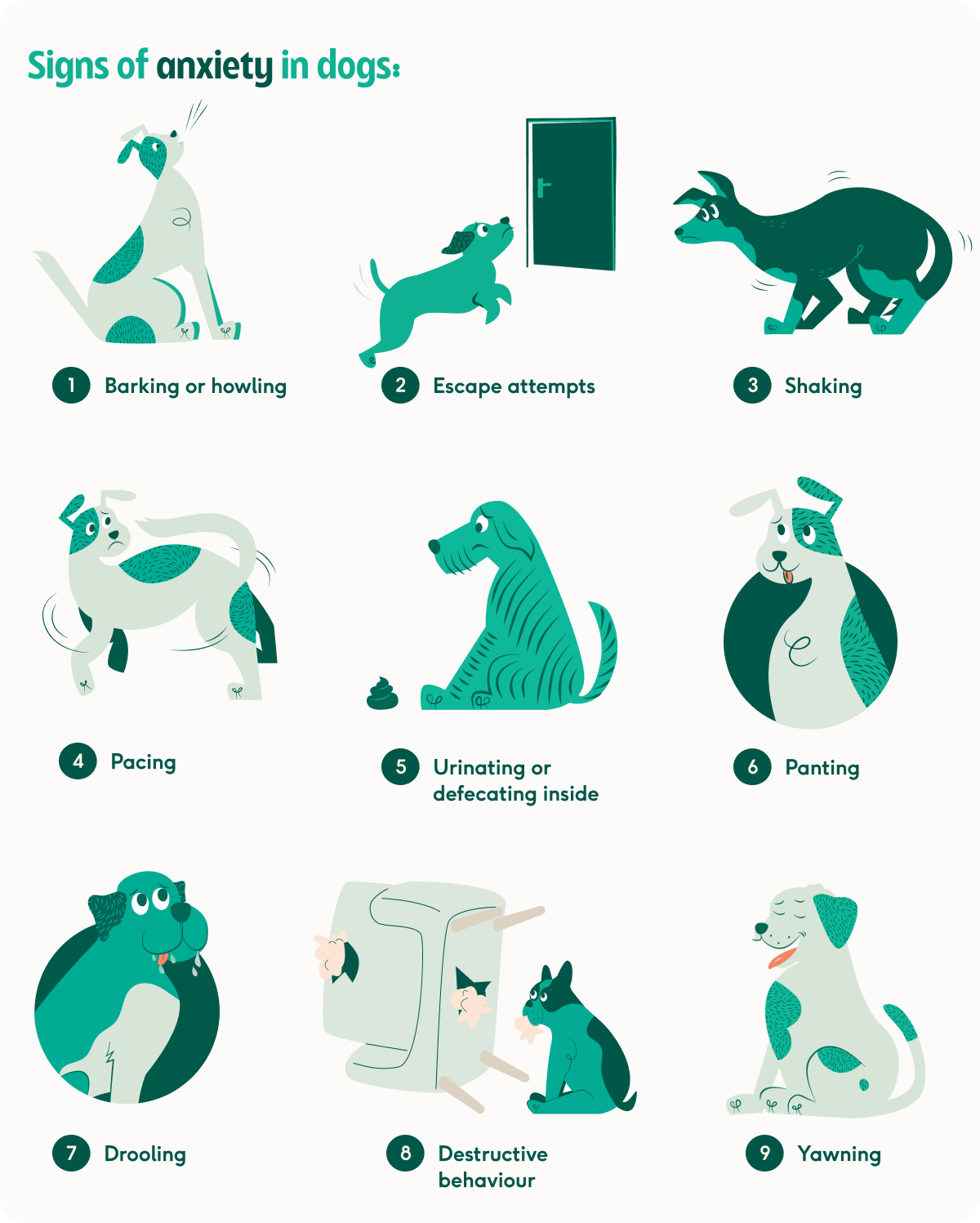
Watch for:
Aggression
Hiding
Confusion
Restlessness
Possible causes:
Pain
Neurological issues
Cognitive decline
Anxiety disorders
👉 What to do:
Sudden behavior changes should never be ignored.
🩺 When to See a Vet Immediately
Seek urgent care if your dog shows:
Breathing difficulty
Collapse or seizures
Continuous vomiting
Blood in urine or stool
Sudden paralysis
🐾 How to Protect Your Dog’s Health
✔ Regular vet checkups
✔ Balanced nutrition
✔ Daily exercise
✔ Parasite prevention
✔ Observation of daily habits
🔍 Final Thoughts
Your dog can’t tell you when something is wrong—but their body does. Recognizing early warning signs of serious illness in dogs gives you the power to act before it’s too late.
A watchful owner is a lifesaver ❤️


Comments
Post a Comment