Why Is My Cat Not Eating? Causes & When to See a Vet
A cat refusing food is never something to ignore. Unlike dogs, cats can become seriously ill after just 24–48 hours without eating. Loss of appetite in cats is one of the highest-value warning signs veterinarians take seriously.
If you’re asking “Why is my cat not eating?”, this guide will help you understand:
Common and serious causes
When it becomes an emergency
What vets look for
Safe steps you can take at home
When to seek immediate veterinary care

Why Loss of Appetite in Cats Is So Serious
Cats are biologically different from dogs. When a cat stops eating, their body starts breaking down fat rapidly, which can overwhelm the liver and cause hepatic lipidosis (fatty liver disease) — a life-threatening condition that often requires hospitalization.
This is why vets treat appetite loss as a medical priority, not a minor issue.
How Long Is Too Long for a Cat Not to Eat?
12 hours: Concerning if your cat is already sick
24 hours: Call a vet
48 hours: Emergency vet visit strongly recommended
Kittens, senior cats, and cats with chronic illness are at higher risk.
Common Reasons Why Cats Stop Eating
Stress or Environmental Changes

Cats are sensitive to change. Appetite loss can be triggered by:
Moving homes
New pets
New baby or visitors
Loud noises
Schedule changes
Key clue: Cat is alert but withdrawn, hiding, or anxious.
👉 If appetite doesn’t return within 24 hours, see a vet.
Dental Pain or Mouth Problems
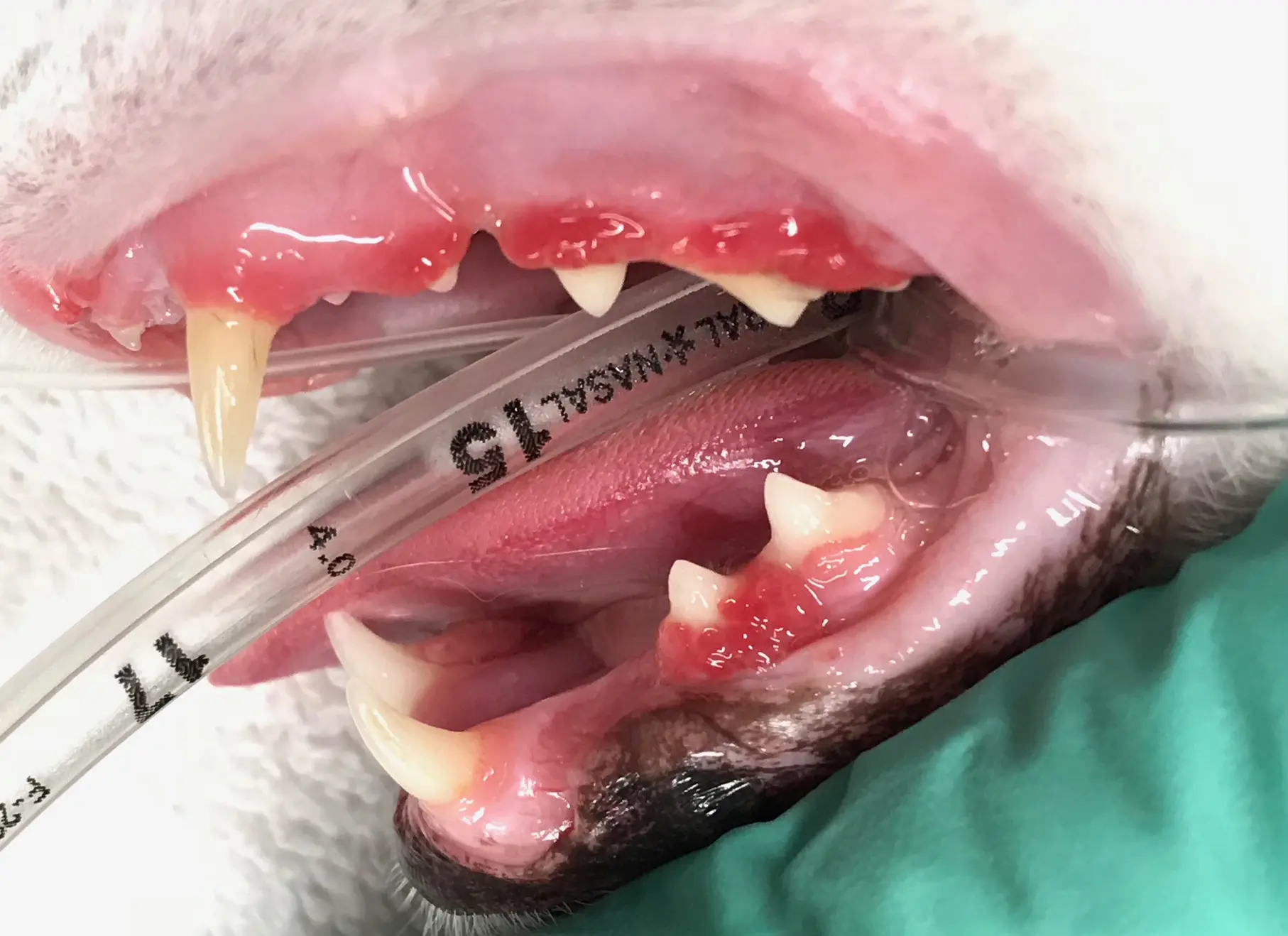
Dental disease is extremely common and very painful.
Signs include:
Sniffing food but not eating
Dropping food
Chewing on one side
Bad breath
Drooling
Kidney Disease (Very Common)
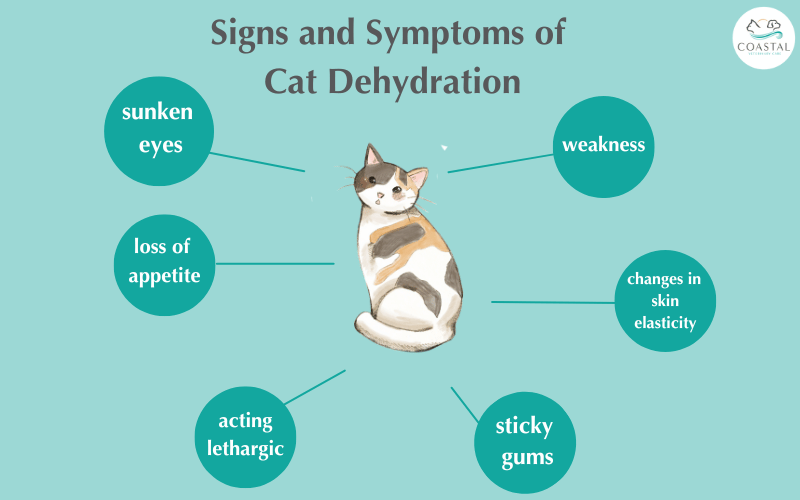
Kidney disease often causes nausea and appetite loss.
Other signs:
Drinking more water
Weight loss
Vomiting
Lethargy
This is one of the most expensive chronic cat conditions, making early vet care critical.
Gastrointestinal Problems
Stomach and intestinal issues often cause appetite loss.
Possible causes:
Hairballs
Parasites
Inflammatory bowel disease
Intestinal blockage
👉 Vomiting + not eating = urgent vet visit.
Upper Respiratory Infection (Cat Colds)
Cats rely heavily on smell to eat. When congested, food becomes unappealing.
Signs include:
Sneezing
Runny nose
Watery eyes
Mouth breathing
Loss of appetite often improves once breathing and smell improve.
Pain or Injury
Cats often hide pain.
Possible causes:
Falls
Internal injury
Arthritis
Bite wounds
Pain frequently causes appetite loss even when no wounds are visible.
Alt text: Cat hiding due to pain and refusing food
Fever or Infection
Just like humans, cats with fever often stop eating.
Other signs:
Lethargy
Warm ears or paws
Dehydration
Infections require veterinary diagnosis and treatment.
Alt text: Sick cat with infection showing lethargy
Poisoning or Toxin Exposure
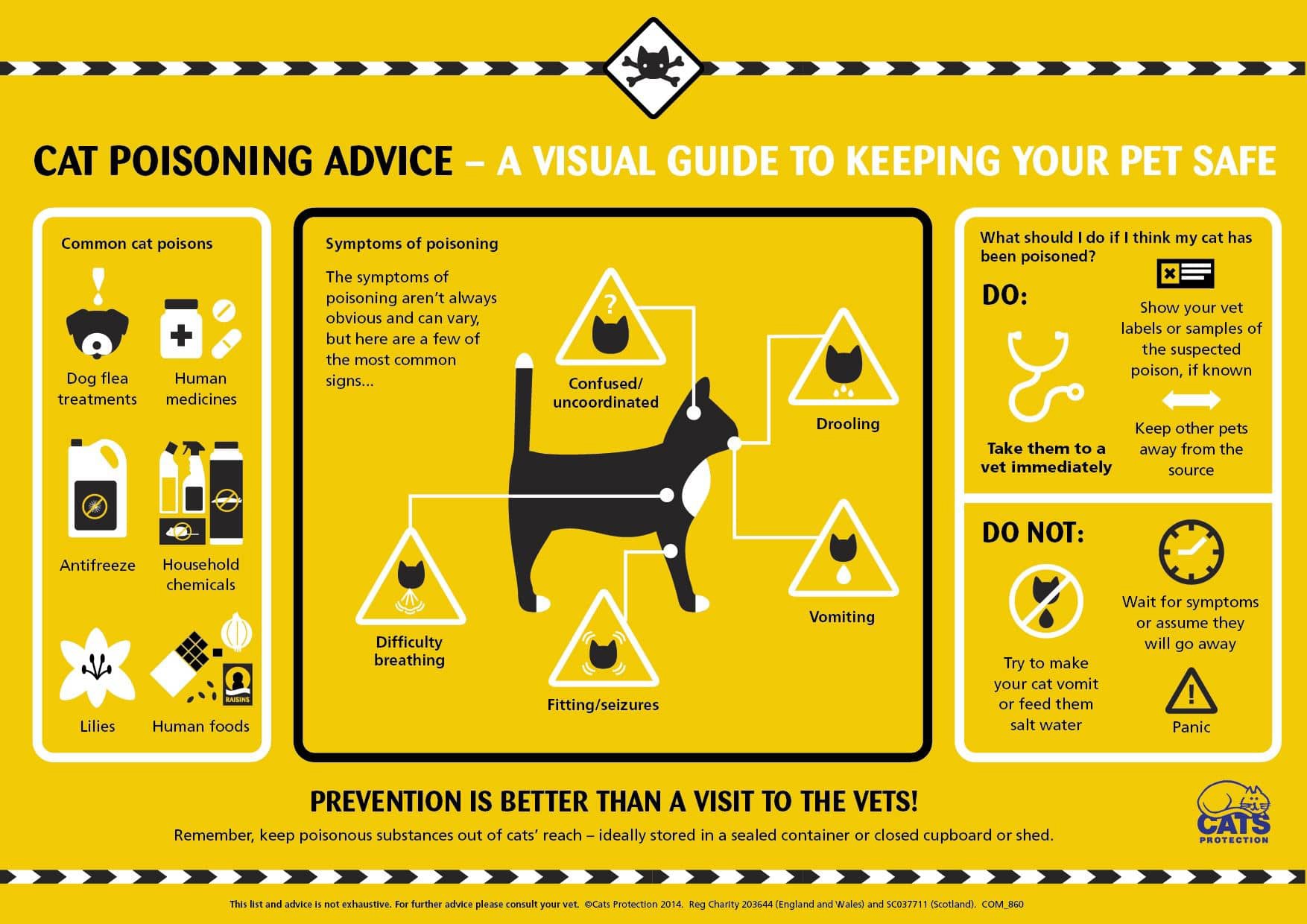
Toxins can quickly shut down appetite.
Common toxins:
Lilies (extremely dangerous)
Human medications
Cleaning products
Pesticides
👉 This is an immediate emergency.
How Vets Diagnose Appetite Loss in Cats
A veterinary clinic may perform:
Physical exam
Blood tests (kidney, liver, infection markers)
Urinalysis
Dental exam
X-rays or ultrasound
Blood pressure check
This is why appetite loss is considered a diagnostic red flag.
What You Can Safely Try at Home (Short-Term Only)
⚠️ These are temporary steps, not replacements for a vet.
Offer warm wet food
Try strong-smelling food (tuna water, vet-approved)
Hand-feed gently
Reduce stress
Ensure fresh water
❌ Do NOT force-feed without vet guidance
❌ Do NOT give human medication
When Loss of Appetite Is an Emergency
Go to an emergency vet immediately if your cat:
Has not eaten for 24+ hours
Is vomiting repeatedly
Is weak or collapsed
Is hiding and unresponsive
Is straining to urinate
Has pale or yellow gums
Prevention Tips
Annual vet checkups
Dental care
Senior cat blood work
Stable routine
Pet insurance for chronic conditions
Final Thoughts
If your cat isn’t eating, trust your instincts. Appetite loss is one of the clearest ways cats tell us something is wrong.
Early veterinary care:
Saves lives
Reduces emergency costs
Improves long-term outcomes
When in doubt, call a vet clinic sooner rather than later.


Comments
Post a Comment