Indoor vs Outdoor Cats: Health Risks, Lifespan & Cost Comparison
One of the most debated topics among cat owners is whether cats should live indoors or outdoors. Some people believe outdoor cats are happier and more natural, while others worry about safety, disease, and high vet bills.
The truth is: where your cat lives has a huge impact on their health, lifespan, and long-term cost of care.
This guide compares indoor vs. outdoor cats in a clear, honest way—covering health risks, common diseases, injuries, lifespan differences, and the real financial cost of each lifestyle.
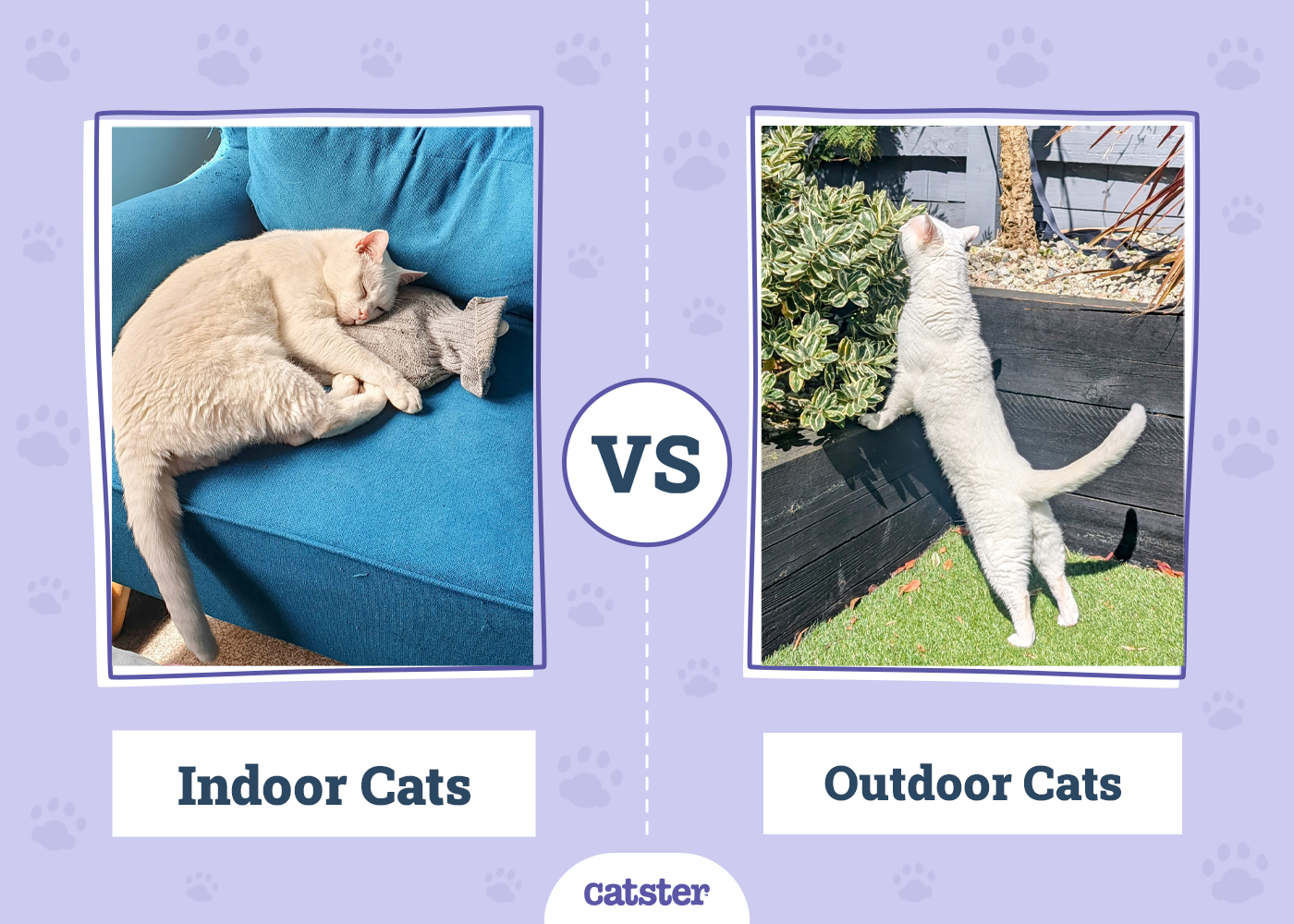
🧠 The Core Difference Between Indoor and Outdoor Cats
The biggest difference is control.
Indoor cats live in a controlled environment
Outdoor cats face uncontrolled risks every day
This single factor affects:
Disease exposure
Injury risk
Emergency vet visits
Long-term medical costs
Life expectancy
🏡 Indoor Cats: Health Benefits and Risks
✅ Health Advantages of Indoor Cats
Indoor cats are protected from many life-threatening dangers.
1️⃣ Lower Risk of Infectious Diseases
Indoor cats are far less likely to contract:
Feline leukemia virus (FeLV)
Feline immunodeficiency virus (FIV)
Upper respiratory infections
Parasites from other animals
This means:
Fewer vet visits
Lower long-term treatment costs
Reduced risk of chronic illness
High-CPC connection: veterinary care, cat insurance, chronic disease management.
2️⃣ Much Lower Injury Risk
Indoor cats are not exposed to:
Traffic accidents
Dog attacks
Fights with other cats
Traps or abuse
Serious injuries are one of the most expensive emergency vet scenarios for outdoor cats.
3️⃣ Longer Average Lifespan
Indoor cats commonly live:
12–18 years
Many reach 20+ years with proper care
This gives owners:
More years of companionship
Predictable healthcare planning
Fewer emergency crises
⚠️ Health Risks for Indoor Cats
Indoor living is safer, but not risk-free.
1️⃣ Obesity
Indoor cats may exercise less.
Health risks include:
Diabetes
Arthritis
Heart disease
Prevention: portion control, playtime, enrichment.
2️⃣ Boredom and Stress
Cats need mental stimulation.
Signs of stress:
Overgrooming
Destructive behavior
Litter box problems
This can lead to behavioral vet consultations, another high-CPC service area.
🌳 Outdoor Cats: Health Benefits and Serious Risks
✅ Perceived Benefits of Outdoor Cats
Some owners believe outdoor cats:
Get more exercise
Show natural behaviors
Experience environmental enrichment
While this can be true, these benefits come with significant risks.
❌ Major Health Risks of Outdoor Cats
1️⃣ High Risk of Trauma and Injury
Outdoor cats are exposed to:
Road accidents
Animal attacks
Human cruelty
Falls
Emergency trauma care often costs hundreds to thousands in vet bills.
2️⃣ Exposure to Deadly Diseases
Outdoor cats are at higher risk of:
FeLV
FIV
Rabies
Parasite infestations
Many of these require lifelong treatment or are fatal.
3️⃣ Poisoning and Toxin Exposure
Outdoor cats may encounter:
Pesticides
Antifreeze
Poisoned rodents
Toxic plants
Poisoning cases often require emergency hospitalization, one of the highest-cost vet services.
4️⃣ Parasites and Chronic Skin Issues
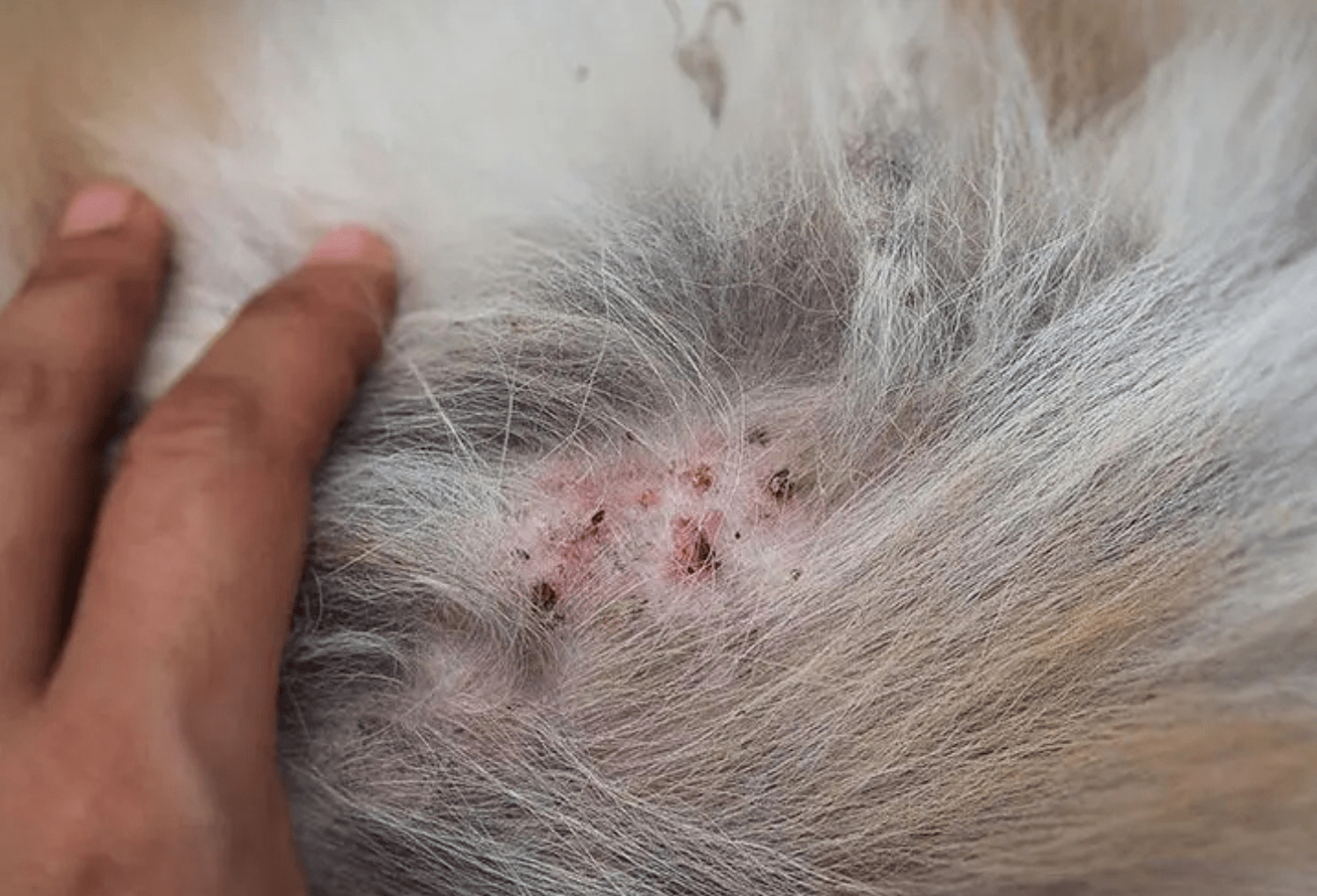
Outdoor cats commonly suffer from:
Fleas
Ticks
Worms
Mange
This increases ongoing costs for:
Preventive medication
Skin treatments
Repeat vet visits
⏳ Lifespan Comparison: Indoor vs Outdoor Cats
| Lifestyle | Average Lifespan |
|---|---|
| Indoor cats | 12–18+ years |
| Outdoor cats | 5–10 years |
| Mixed indoor/outdoor | 8–12 years |
📌 Many outdoor cats die young due to accidents, disease, or poisoning.
💰 Cost Comparison: Indoor vs Outdoor Cats
💵 Indoor Cat: Average Annual Costs
Typical expenses:
Routine vet checkups
Vaccinations
Food and litter
Preventive care
💸 Outdoor Cat: Average Annual Costs

Additional expenses include:
Emergency vet visits
Injury treatment
Infection management
Parasite prevention year-round
🧾 Pet Insurance Considerations
Many pet insurance providers:
Charge higher premiums for outdoor cats
Exclude coverage for preventable injuries
Deny claims related to roaming risks
Indoor cats often:
Qualify for lower premiums
Have fewer exclusions
Generate fewer denied claims
🐾 Is an Indoor-Only Life Cruel?
No—if done correctly.
Indoor cats can live happy lives with:
Interactive play
Window perches
Scratching posts
Puzzle feeders
Routine engagement
Some owners choose safe outdoor alternatives:
Catios
Leash training
Enclosed yards
These options offer stimulation without major risk.
🏥 Which Lifestyle Do Vets Recommend?
Most veterinarians strongly recommend:
Indoor-only living
Or supervised outdoor access only
Why?
Fewer emergencies
Better disease prevention
Longer lifespan
Lower long-term healthcare costs
🐱 Final Verdict: Health and Cost Comparison
✔ Indoor Cats
Longer lifespan
Lower vet bills
Lower disease risk
Better insurance coverage
❌ Outdoor Cats
High injury risk
Higher emergency costs
Shorter lifespan
Greater disease exposure
From both a health and financial perspective, indoor cats are the safer and more cost-effective choice.


Comments
Post a Comment