AI-Driven Plastic Collection: A Smarter Way to Clean Up America
AI-Driven Plastic Collection: A Smarter Way to Clean Up America
Hey there. Picture this: It’s a sunny Saturday in your neighborhood. You’re out for a walk with the kids or the dog, and you spot plastic bottles and bags tangled in the bushes by the roadside or floating in the local creek. It’s frustrating, right? We all use plastic every day—water bottles on the go, packaging from online orders, takeout containers after a long workday. But once we toss it “away,” it doesn’t really disappear. In the United States, plastic waste is everywhere, overwhelming landfills, polluting rivers, and harming wildlife. The good news? Artificial intelligence is stepping in to change the game. AI-driven plastic collection is making the entire process—from picking up trash to sorting it—smarter, faster, and way more effective. And it’s already happening across the country.
Let’s talk like real people here. Most of us aren’t engineers or waste management pros. We’re just folks trying to do the right thing when we sort our recyclables at the curb. Traditional recycling has always been tricky. Humans sorting through mixed waste get tired, make mistakes, and miss a lot of usable plastic. Contamination (when the wrong stuff gets mixed in) often sends entire batches to the landfill. That’s where AI comes in. It’s like giving the recycling system a tireless, super-sharp set of eyes and a brain that learns from every single piece of trash it sees.
The Scale of the Plastic Challenge in the USA
America generates a huge amount of plastic waste every year. From single-use bottles and food wrappers to packaging that protects our Amazon deliveries, it adds up fast. Much of it ends up in rivers like the Hudson or Mississippi, on beaches from California to Florida, or buried in landfills that are running out of space. Families in coastal towns watch their favorite swimming spots get littered with debris. Farmers in the Midwest see plastic film scraps blowing across fields. City dwellers in places like Chicago or Los Angeles deal with overflowing bins on busy streets.
The old way of collecting and processing plastic relied heavily on manual labor and basic machines. It was expensive, slow, and not very accurate. But AI is flipping that script. It uses cameras, sensors, machine learning, and even robots to spot, grab, and sort plastics with incredible precision. Think of it as upgrading from a flip phone to the latest smartphone—suddenly everything just works better.
How AI Powers Plastic Collection and Sorting
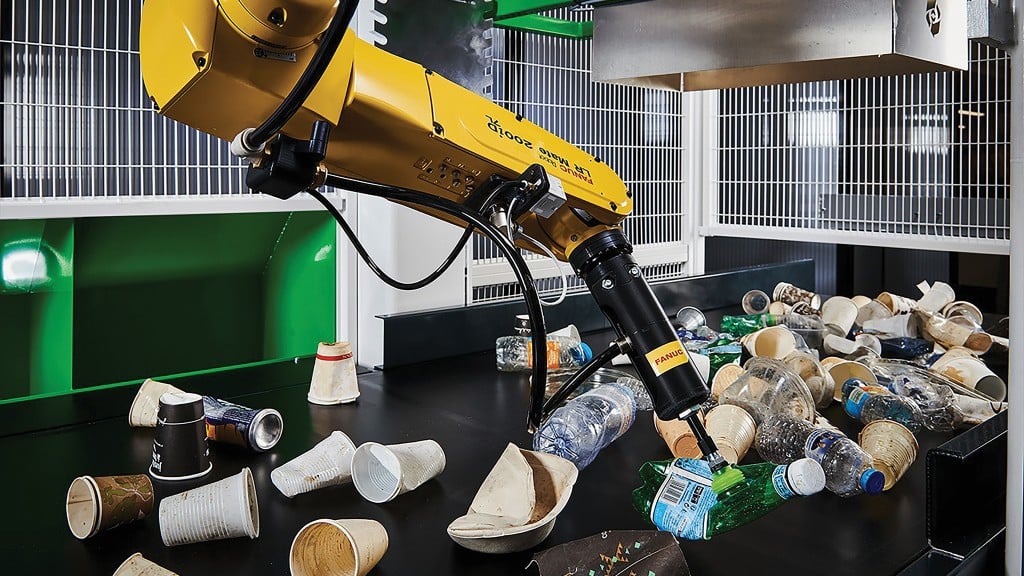
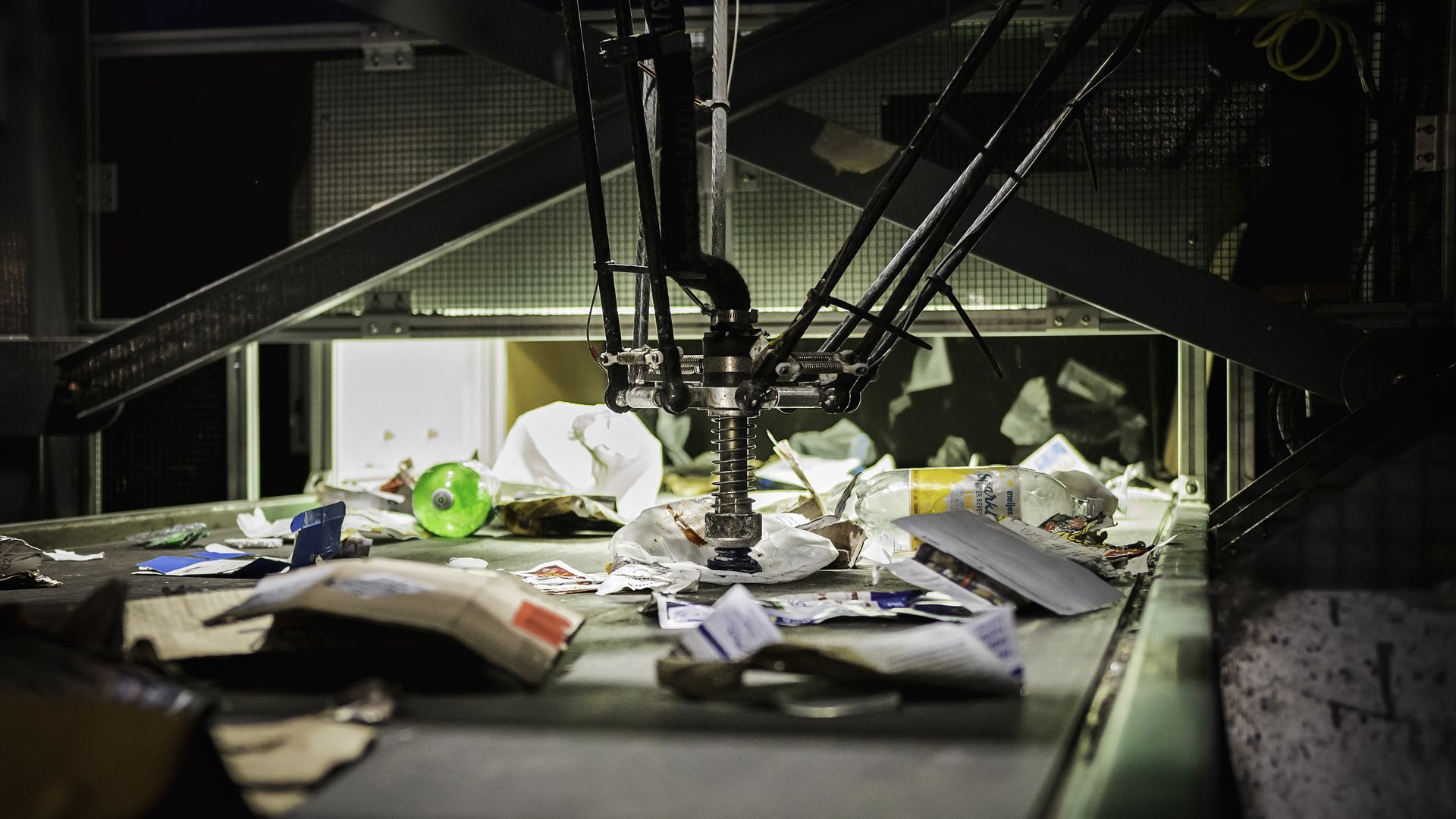
At the heart of AI-driven systems are computer vision and robotics working together in material recovery facilities (MRFs). These are the big sorting plants where your curbside recycling ends up. Companies like AMP Robotics, based in Colorado, have rolled out AI-powered robotic arms across dozens of facilities in more than 25 states. These robots scan conveyor belts moving at high speed. Using cameras and AI algorithms trained on millions of images, they can identify different types of plastic—PET bottles, HDPE containers, polypropylene lids—in milliseconds. They recognize colors, shapes, even brands and residue levels.
It’s pretty amazing when you think about it. A robot might pick up to 60-100 items per minute, working around the clock without getting bored or making tired mistakes. One day it’s pulling out clear water bottles; the next it’s learning to spot a new kind of flexible packaging that just hit the market. The AI keeps improving over time, just like how your phone’s photo app gets better at recognizing faces the more you use it.
But collection isn’t just about what happens at the plant. AI is getting involved earlier in the chain too. Smart bins equipped with sensors are popping up in cities. These bins know when they’re full, what kinds of materials are inside, and can even alert collection trucks via apps. Truck routes get optimized using AI that factors in traffic, bin fill levels, and weather. That means fewer unnecessary trips, lower fuel use, and less emissions—good for the environment and your tax dollars.
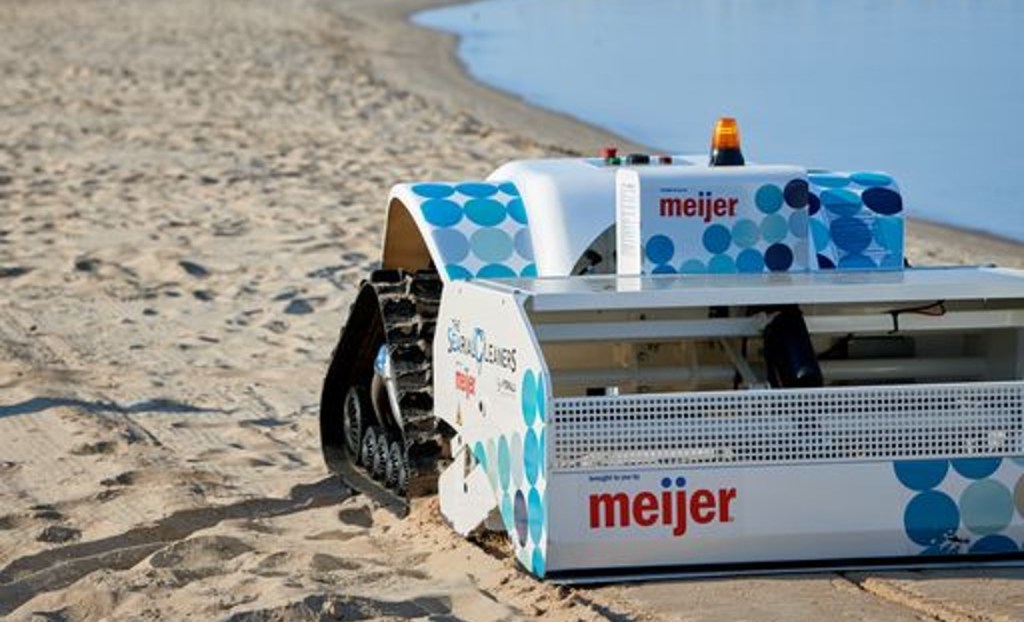
Out in nature, AI is helping with direct cleanup. Researchers at Columbia University, for example, are testing AI-equipped pontoons on the Hudson River. An AI camera spots floating trash, decides what to collect versus what to let pass (like branches), and uses hyperspectral imaging to figure out if it’s plastic and what type. Similar autonomous or drone-supported efforts are happening on beaches and in the Great Lakes region, where tracked robots or aerial systems map and collect debris before it reaches the ocean. It feels like sci-fi, but it’s real and already making beaches cleaner for family vacations.
Real-World Wins Across the USA
In practice, these technologies are delivering results. Recycling facilities using AI report big jumps in recovery rates—sometimes 15% or more for plastics—while cutting contamination dramatically. That means more high-quality recycled plastic heading back into new products, like park benches, clothing, or even new bottles. Cities partnering with these systems see cost savings too, because cleaner sorting means less wasted material and lower processing expenses.
Take a moment to relate this to your own life. If you live in a suburban area, your recycling truck might now run more efficiently thanks to AI route planning. In industrial hubs, workers at sorting plants are safer because robots handle the dirty, repetitive, sometimes hazardous picking. And for environmentalists or parents worried about the planet their kids will inherit, seeing actual data on reduced landfill waste feels hopeful.
Even big waste management companies are investing heavily—hundreds of millions into AI upgrades. Partnerships between tech startups and established players are spreading these systems from the West Coast to the Midwest and East Coast. It’s not perfect everywhere yet, but the momentum is building. Rural communities might still rely on basic drop-off sites, but mobile AI sorting units or apps that guide residents on what to recycle could bridge that gap soon.
Benefits That Matter to Everyday People
The upsides go beyond the environment. Economically, AI-driven collection creates jobs in tech maintenance, data analysis, and robot programming—fields that didn’t exist in traditional waste management. It supports a circular economy where plastic gets turned into new stuff instead of piling up. For businesses, higher-quality recycled materials mean lower costs for manufacturers who want to use sustainable packaging.
Socially, it’s empowering. Communities can track progress through apps or dashboards showing how much plastic was diverted from landfills last month. Schools can use it as a teaching tool—kids learning coding by understanding how AI “sees” trash. And on a personal level, knowing your blue bin efforts actually make a difference reduces that nagging guilt we sometimes feel when we throw something away.
Health-wise, less plastic in rivers and oceans means fewer microplastics entering our food chain and water supply. Cleaner neighborhoods and parks improve quality of life for everyone, from urban apartment dwellers to families in small towns.
Challenges and the Human Side of Tech
Of course, it’s not all smooth sailing. Installing AI systems costs money upfront, and not every small town or cash-strapped municipality can afford it right away. There’s a learning curve for workers who need training to operate and maintain the new tech. Privacy questions come up with smart bins collecting data, and we have to make sure AI doesn’t replace jobs without creating new ones.
Plus, AI still struggles with some tricky items—like heavily soiled plastics or unusual packaging. It works best alongside human oversight. The technology also depends on good data; the more varied examples it sees, the smarter it gets. That’s why facilities keep feeding it information.
But here’s the relatable part: Change always feels overwhelming at first. Remember when smartphones seemed complicated? Now we can’t live without them. AI in plastic collection is on a similar path. With continued investment and public support—like voting for green initiatives or participating in local pilots—we can speed things up.
Looking Ahead: A Cleaner Future
Fast-forward a few years, and imagine AI helping design better recyclable packaging from the start, or home apps that scan your trash and give instant feedback. Drones mapping pollution hotspots, autonomous boats patrolling rivers, and robots in every major MRF could make plastic waste a manageable problem instead of a crisis.
The USA has the innovation spirit and the infrastructure to lead this. From startups in Colorado to university labs in New York and government-backed projects, the pieces are coming together. It won’t solve everything overnight—reducing plastic use at the source is still crucial—but AI-driven collection gives us powerful tools to clean up what’s already out there.
Next time you drop a plastic bottle in the recycling bin, know that somewhere down the line, smart systems might be making sure it gets a second life. It’s a small action that feels bigger when you realize the technology backing it up. We’re not just managing waste anymore; we’re intelligently reclaiming it.
FAQ
What exactly is AI-driven plastic collection? It’s the use of artificial intelligence—cameras, sensors, machine learning, and robots—to locate, collect, sort, and process plastic waste more efficiently than traditional methods. In the USA, this happens at recycling plants, on city streets via smart bins, and even in natural environments like rivers and beaches.
How does AI actually identify different plastics? AI systems use computer vision and sometimes infrared or hyperspectral sensors to “see” and analyze items on a conveyor belt or in the water. They compare what they see against huge libraries of trained examples, recognizing shapes, colors, textures, and chemical signatures in seconds—far more accurately than humans working manually.
Will this replace human jobs in recycling? Not entirely. Robots handle repetitive, dangerous tasks, but humans are still needed for oversight, maintenance, programming, and handling unusual items. Many facilities report that AI creates new skilled positions while making existing jobs safer and more efficient.
Can regular people help support AI-driven efforts? Absolutely! Recycle properly, reduce single-use plastics, support local policies that fund smart waste tech, and participate in community cleanups. Apps and educational programs tied to these systems often let citizens track impact or learn best practices.
Is this technology already widespread in the USA? It’s growing quickly. Dozens of facilities in multiple states use AI robots and analytics tools, with major investments from waste companies. River and beach projects are in testing or early deployment, and smart collection systems are appearing in forward-thinking cities. The next few years should see even broader adoption.


Comments
Post a Comment