What is Sepsis? A Heartbreaking Lesson from the NASCAR World
:max_bytes(150000):strip_icc():focal(725x207:727x209)/Kyle-Busch-3-052126-b44f1e4e807c40b1b6c42636bf0a6dd2.jpg)
What is Sepsis? A Heartbreaking Lesson from the NASCAR World
Hey there. If you’re reading this and you’re not a doctor or a medical pro, that’s okay. Most of us aren’t. We go about our days thinking a bad cough or a chest cold is just something we tough out with rest and maybe some over-the-counter stuff. But sometimes that “just a cold” turns into something far more serious. Right now, in the United States, the racing community is reeling from exactly that kind of nightmare. Two-time NASCAR Cup Series champion Kyle Busch, known to fans as “Rowdy,” passed away at just 41 years old after severe pneumonia progressed into sepsis. His family shared that the infection in his lungs moved fast, overwhelming his body in a matter of days. It’s a stark reminder that sepsis doesn’t care how strong, how young, or how successful you are.
So, what is sepsis, exactly? In plain English, sepsis is your body’s own defense system going into overdrive and accidentally hurting you while it tries to fight an infection. Normally, when germs invade—say, bacteria in your lungs from pneumonia—your immune system sends out troops (white blood cells, chemicals, and inflammation) to clear the threat. In sepsis, that response gets way too loud and spreads everywhere. It causes widespread inflammation, leaky blood vessels, dangerous blood clots, and drops in blood pressure. Organs start struggling: your kidneys might slow down, your lungs fill with fluid, your heart works overtime. If it advances to septic shock, blood pressure crashes and tissues don’t get enough oxygen. It can happen shockingly fast.
In the USA, sepsis is a big deal. Hospitals see hundreds of thousands of cases every year, and it remains one of the leading causes of death in intensive care units. Anyone can get it, but older adults, very young kids, people with weakened immune systems, or those with chronic conditions are at higher risk. Even healthy people like athletes can be blindsided if the infection starts strong and spreads.
Sepsis Symptoms: What to Watch For
The tricky part is that early sepsis symptoms can look a lot like a regular bad flu or pneumonia. You might have:
- High fever or, weirdly, a very low body temperature
- Chills or feeling ice-cold
- Rapid heartbeat and breathing
- Confusion, dizziness, or feeling “off” mentally—like you can’t focus or remember simple things
- Extreme fatigue or weakness
- Shortness of breath
- Pain or discomfort anywhere, but especially in the area of the original infection
As it gets worse (severe sepsis or septic shock), skin can look mottled or bluish, urine output drops, and you might slip into altered consciousness. The CDC and hospitals push the “SEPSIS” acronym sometimes: Slurred speech, Extreme pain, Pale or clammy skin, Sleepiness or confusion, “I feel like I might die,” Shortness of breath. If you or a loved one has an infection plus any of these, get to the ER fast. Time matters—every hour counts.
Pneumonia to Sepsis: How Does Pneumonia Turn into Sepsis?
Pneumonia is an infection that inflames the air sacs in one or both lungs. It can be caused by bacteria, viruses, or fungi. You might catch it after a cold, the flu, or even from breathing in droplets in crowded places. Symptoms include cough (sometimes with blood or colored mucus), chest pain, fever, and difficulty breathing. Severe pneumonia makes it hard for your lungs to oxygenate blood properly.
Here’s where it gets dangerous: If the germs from pneumonia slip into your bloodstream (bacteremia), or if your body’s inflammatory response spills over system-wide, sepsis can set in. Doctors call this “pneumonia sepsis” or “sepsis from pneumonia.” The lungs are a common gateway because they’re full of tiny blood vessels. Once the infection or the immune chemicals hit the blood, the chain reaction starts. Fluid leaks out of vessels, blood pressure falls, and organs downstream—like the kidneys, liver, and brain—don’t get what they need.
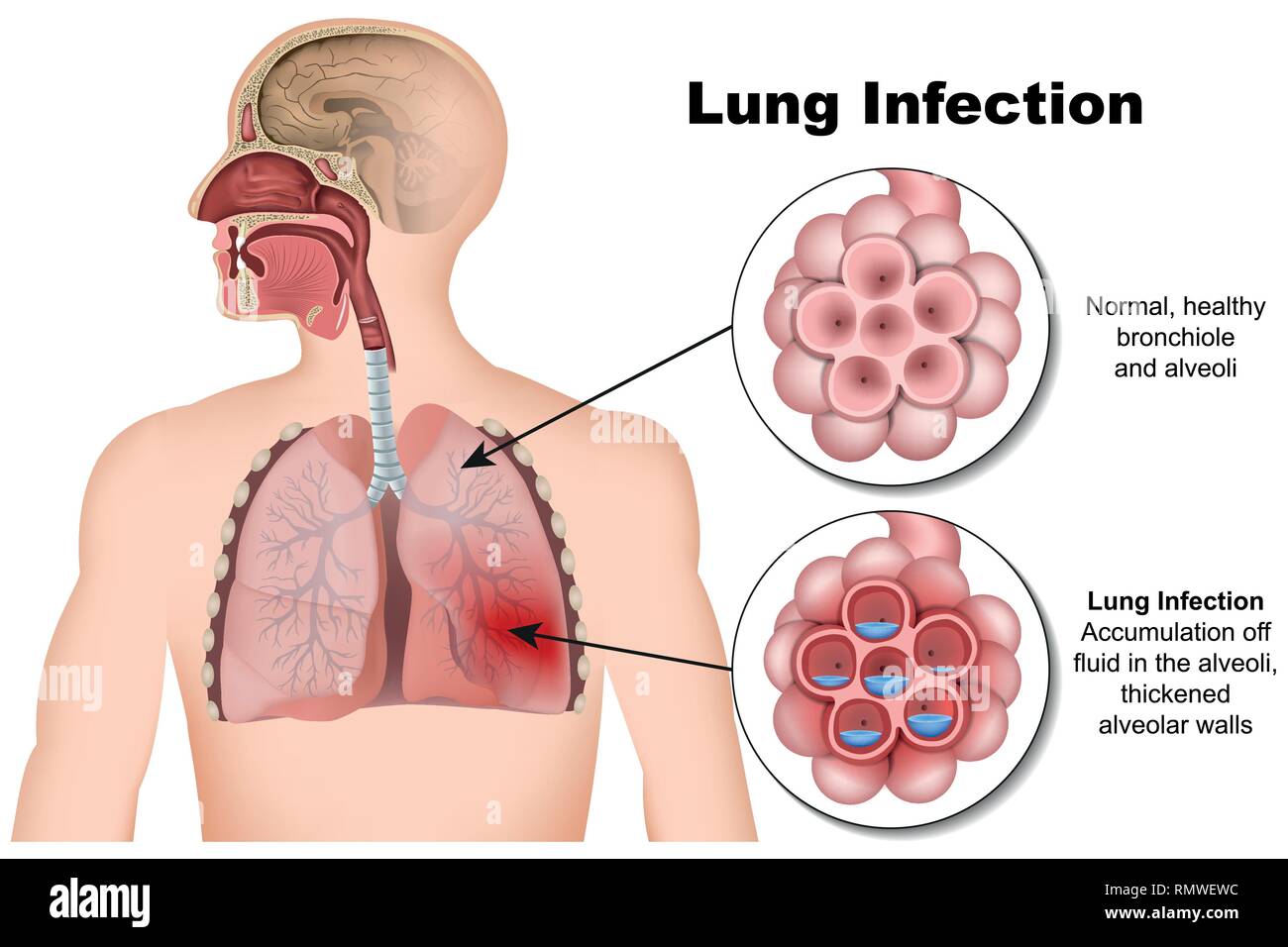
Think of it like this: Your lungs are the front door of the house. Pneumonia is someone breaking in and starting a small kitchen fire. Your immune system is the fire department that shows up with hoses. But in sepsis, they spray so much water that the whole house floods, the foundation cracks, and every room gets damaged. Severe pneumonia that progresses into sepsis is exactly what Kyle Busch’s family described: rapid and overwhelming complications. One day you’re dealing with a nasty cough; the next, your body is in full crisis mode.
Can Pneumonia Cause Sepsis? Absolutely—and It’s More Common Than You Think
Yes, pneumonia is one of the top triggers for sepsis in the United States. Community-acquired pneumonia (the kind you pick up outside the hospital) or hospital-acquired cases can both lead there. People with asthma, COPD, or who’ve recently had surgery or been on ventilators are extra vulnerable. But even a seemingly mild case in a fit person can escalate if the bacteria are aggressive or if treatment is delayed. That’s why doctors hammer home finishing antibiotics and watching symptoms closely.
The NASCAR Connection: Tributes, Today’s Race, and a Community in Shock
This weekend, the NASCAR world is honoring Kyle Busch while the Coca-Cola 600—the longest race on the schedule—takes place at Charlotte Motor Speedway. It’s a bittersweet day. Fans, drivers, and teams are processing the loss of a competitor who gave us some of the most intense racing moments in recent memory. Kyle drove for Joe Gibbs Racing for years, winning championships in 2015 and 2019 before moving teams. His fiery personality earned him respect and rivalries alike.
Today, Austin Hill is stepping into the car for Richard Childress Racing, with the number possibly adjusted in tribute. Young drivers like Jesse Love have also been part of that organization’s pipeline. Veterans like Casey Mears and others from the garage have shared stories of Kyle’s dedication. The garage at Charlotte paid respects with a big No. 8 tribute on the infield. Even as engines fire up for the Coca-Cola 600 this evening, the focus is on safety, awareness, and remembering that health can change in an instant—even for someone who lived life at 200 miles per hour.

Understanding Severe Pneumonia Sepsis and Why Awareness Saves Lives
Severe pneumonia sepsis is when the lung infection has already triggered the full-body storm. Doctors treat it aggressively: strong antibiotics, IV fluids, oxygen or ventilators, and medicines to support blood pressure. Sometimes they need to drain fluid or use dialysis if kidneys fail. The goal is to stop the infection and calm the immune overreaction before permanent damage sets in. Survival rates improve dramatically with early recognition—some studies show that quick hospital care can cut mortality almost in half.
Prevention isn’t always possible, but steps help: Get vaccinated against flu, pneumonia, and COVID (all can lead to secondary bacterial pneumonia). Wash hands, avoid sick people if you’re high-risk, and don’t ignore worsening respiratory symptoms. If you have a cough that won’t quit, fever that spikes, or feel unusually wiped out, see a doctor. For athletes or busy folks like NASCAR crews who push through fatigue, listening to your body is crucial.
Relating to the Human Side
Picture this: You’re a parent, a weekend warrior, or just someone who hates missing work. A little chest congestion turns into nights of sweating and chills. You brush it off—“It’s just pneumonia.” But your spouse notices you’re confused and breathing fast. That moment of “something’s really wrong” is when sepsis might be knocking. Kyle Busch’s story hits home because he was larger than life on the track, yet the same biology affects all of us. It reminds us to check on loved ones, advocate at the doctor’s office, and support medical research so fewer families face this pain.
In the United States, sepsis awareness campaigns by groups like the Sepsis Alliance push exactly this message: know the signs, act fast, and support survivors who often face long recoveries with fatigue, cognitive issues, or limb loss from poor circulation.
FAQ About Sepsis and Pneumonia
Q: What is sepsis in simple terms? A: It’s your immune system’s extreme, body-wide reaction to infection that ends up harming your own organs and tissues.
Q: How does pneumonia turn into sepsis? A: The infection in the lungs spreads to the blood or triggers massive inflammation that affects the whole body, leading to leaky vessels and organ stress.
Q: Can pneumonia cause sepsis even in healthy adults? A: Yes. While risk is higher in some groups, aggressive bacteria or delayed care can affect anyone, as we sadly saw with Kyle Busch.
Q: What are the first symptoms of sepsis from pneumonia? A: Beyond pneumonia signs, watch for rapid heart rate, confusion, extreme tiredness, or feeling like you’re going to faint.
Q: Is there a NASCAR race today and how is the sport responding? A: Yes—the Coca-Cola 600 at Charlotte Motor Speedway is happening this evening. Teams are racing with heavy hearts, honoring Kyle with tributes, including Austin Hill stepping up to drive.
Q: How can I prevent pneumonia leading to sepsis? A: Vaccinations, good hygiene, not smoking, and seeking care early for respiratory infections are your best bets.
Sepsis isn’t something you hear about every day until it touches someone you admire or love. Kyle Busch’s passing from severe pneumonia progressed into sepsis has the whole country talking about it. Let’s use this moment not just to mourn a champion, but to learn. Talk to your family about the signs. Support your local hospitals. And if you’re feeling off after an infection—especially pneumonia—don’t wait. Get checked. Lives really do depend on it.


Comments
Post a Comment