Cat Emergency Symptoms: When to Go to the Vet Immediately
Cats are extremely good at hiding pain and illness. Unlike dogs, they often don’t cry, limp openly, or act dramatically when something is wrong. This is why cat emergencies are often recognized too late, leading to serious complications—or even death.
Knowing the emergency symptoms in cats can help you act fast, reduce suffering, and avoid extremely high emergency vet bills. This guide explains which signs are true emergencies, what they may mean, and when to seek immediate veterinary care.

🩺 Why Cat Emergencies Are Often Missed
Cats instinctively hide weakness because, in the wild, showing illness makes them vulnerable. As a result:
Symptoms appear late
Owners think the cat is “just tired”
Conditions worsen silently
By the time a cat shows obvious distress, the situation may already be life-threatening.
🔴 1) Not Eating for 24 Hours (Or More)
This is one of the most important emergency signs in cats.
Why it’s dangerous
Cats that stop eating can develop fatty liver disease, a serious and expensive condition that can become fatal.
Possible causes
Kidney disease
Infection
Pain
Dental disease
Gastrointestinal blockage
👉 What to do:
If your cat hasn’t eaten in 24 hours (or 12 hours if already sick), contact a veterinary clinic or emergency vet immediately.
🔴 2) Difficulty Breathing or Open-Mouth Breathing
Healthy cats do not breathe with their mouths open.
Emergency signs
Rapid breathing
Open-mouth breathing
Chest or belly heaving
Blue or pale gums
Possible causes
Heart disease
Asthma
Lung infection
Fluid around the lungs
👉 What to do:
This is a medical emergency. Transport your cat calmly and immediately to an emergency vet.
🔴 3) Hiding and Sudden Withdrawal
Cats hide when they feel unsafe or unwell.
Red flags
Hiding for hours or days
Avoiding interaction
Not responding to voice or food
Possible causes
Severe pain
Infection
Internal injury
Organ failure
👉 What to do:
If hiding is new and persistent, especially with appetite loss, seek veterinary care.
🔴 4) Repeated Vomiting or Diarrhea

Occasional hairballs happen—but repeated vomiting does not.
Emergency signs
Vomiting more than once in 24 hours
Vomiting with lethargy
Blood in vomit or stool
Possible causes
Poison ingestion
Intestinal blockage
Kidney disease
Pancreatitis
👉 What to do:
Repeated vomiting or diarrhea requires urgent vet evaluation.
🔴 5) Straining to Urinate or No Urine
This is one of the deadliest emergencies in cats, especially male cats.
Warning signs
Frequent litter box visits
Crying while urinating
Little or no urine produced
Licking genital area
Possible causes
Urinary blockage
Bladder stones
Severe infection
👉 What to do:
Go to an emergency vet immediately. This condition can be fatal within hours.
Alt text: Cat straining to urinate, life-threatening emergency
🔴 6) Collapse, Extreme Weakness, or Inability to Walk
Sudden weakness is never normal.
Possible causes
Internal bleeding
Heart disease
Severe dehydration
Blood clots
👉 What to do:
Keep your cat warm and seek emergency veterinary care immediately.
🔴 7) Seizures or Muscle Tremors
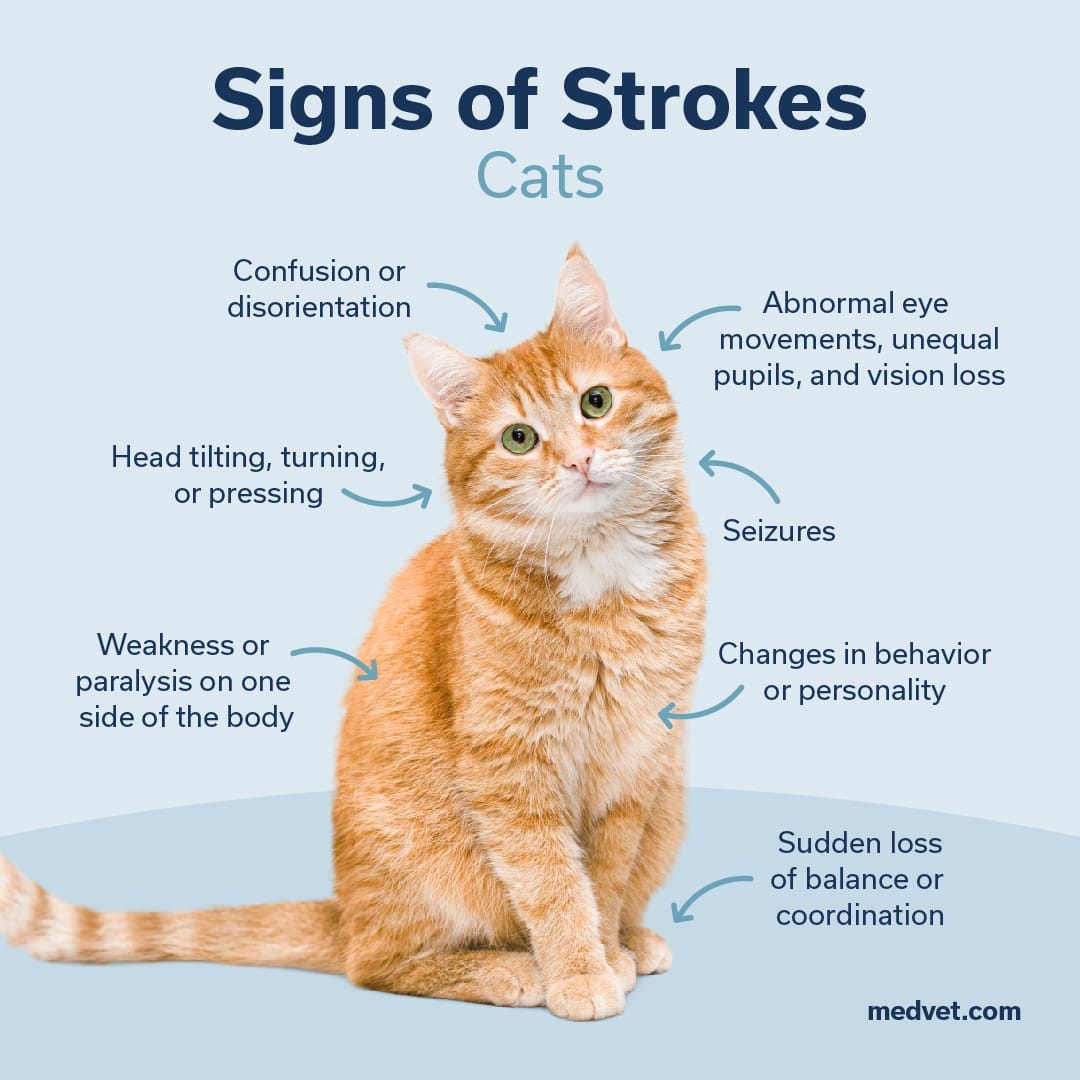
Emergency signs
Seizures lasting more than 1–2 minutes
Multiple seizures in a short time
First-ever seizure
Possible causes
Toxin exposure
Brain injury
Liver disease
Severe metabolic problems
👉 What to do:
Clear the area, do not restrain the cat, and go to an emergency vet.
🔴 8) Severe Pain or Continuous Crying
Cats rarely cry loudly unless pain is intense.
Possible causes
Trauma
Urinary blockage
Severe infection
Internal injury
👉 What to do:
Persistent pain is an emergency—do not delay.
🔴 9) Poisoning or Toxin Exposure
Common cat toxins
Lilies (extremely dangerous)
Human medications
Cleaning chemicals
Pesticides
Symptoms
Drooling
Vomiting
Tremors
Collapse
👉 What to do:
Do not induce vomiting. Seek emergency vet care immediately.
🔴 10) Pale, Blue, or Yellow Gums

Gum color reveals circulation and organ health.
What it may indicate
Shock
Anemia
Liver failure
Oxygen deprivation
👉 What to do:
This is an urgent medical emergency.
🏥 What to Bring to the Emergency Vet
Timeline of symptoms
Any medications given
Possible toxin exposure
Recent behavior changes
🐾 Final Advice for Cat Owners
If you’re unsure, assume it’s serious. Emergency vets prefer early visits over late ones. Acting fast can:
Save your cat’s life
Reduce treatment costs
Prevent irreversible damage


Comments
Post a Comment