Dog Emergency Symptoms: When to Rush to the Vet Immediately
Many dog health problems can wait a day or two. Some cannot.
Knowing the difference between a mild issue and a life-threatening emergency can save your dog’s life.
This guide explains dog emergency symptoms you should never ignore, what they mean, and when to rush to the vet immediately.
🚑 Why Dog Emergencies Are Often Missed
Dogs naturally hide pain. What looks like “sleeping” or “being quiet” may actually be shock, internal injury, or organ failure.
Delaying emergency care can result in:
Permanent organ damage
Extremely high vet bills
Sudden death
1️⃣ Difficulty Breathing (Always an Emergency)

Danger signs:
Fast or labored breathing
Open-mouth breathing at rest
Blue, gray, or pale gums
Choking sounds
Possible causes:
Heart failure
Lung infection
Heatstroke
Airway obstruction
Allergic reaction
👉 What to do:
Go to an emergency vet immediately. Do not wait.
2️⃣ Collapse or Sudden Weakness
If your dog collapses, struggles to stand, or suddenly becomes limp, this is critical.
Possible causes:
Internal bleeding
Heart disease
Severe dehydration
Low blood sugar
Poisoning
👉 What to do:
Keep your dog warm and transport to the vet immediately.
3️⃣ Seizures (First or Repeated)
Emergency signs:
Seizure lasting over 2 minutes
Multiple seizures in 24 hours
First seizure ever
Possible causes:
Epilepsy
Brain injury
Poison ingestion
Liver disease
👉 What to do:
Do not touch the mouth. Clear the area and seek urgent care.
4️⃣ Continuous Vomiting or Diarrhea

Red flags:
Vomiting more than twice in a few hours
Bloody vomit or stool
Vomiting with lethargy
Possible causes:
Poisoning
Pancreatitis
Intestinal blockage
Viral infections
👉 What to do:
Emergency visit required—especially for puppies and seniors.
5️⃣ Bloated or Hard Abdomen (Bloat)
This condition can kill within hours.
Signs of bloat:
Swollen belly
Pacing and restlessness
Dry heaving without vomiting
Rapid breathing
👉 What to do:
Rush to an emergency clinic immediately.
6️⃣ Bleeding That Won’t Stop
Emergency bleeding includes:
Heavy bleeding
Bleeding longer than 10 minutes
Bleeding from nose, mouth, or anus
Possible causes:
Trauma
Internal injury
Clotting disorders
Poison exposure
👉 What to do:
Apply gentle pressure and head to the vet urgently.
7️⃣ Inability to Urinate or Defecate
This is especially dangerous for male dogs.
Possible causes:
Urinary blockage
Bladder stones
Severe constipation
Prostate problems
👉 What to do:
This is a medical emergency—seek help immediately.
8️⃣ Heatstroke Symptoms
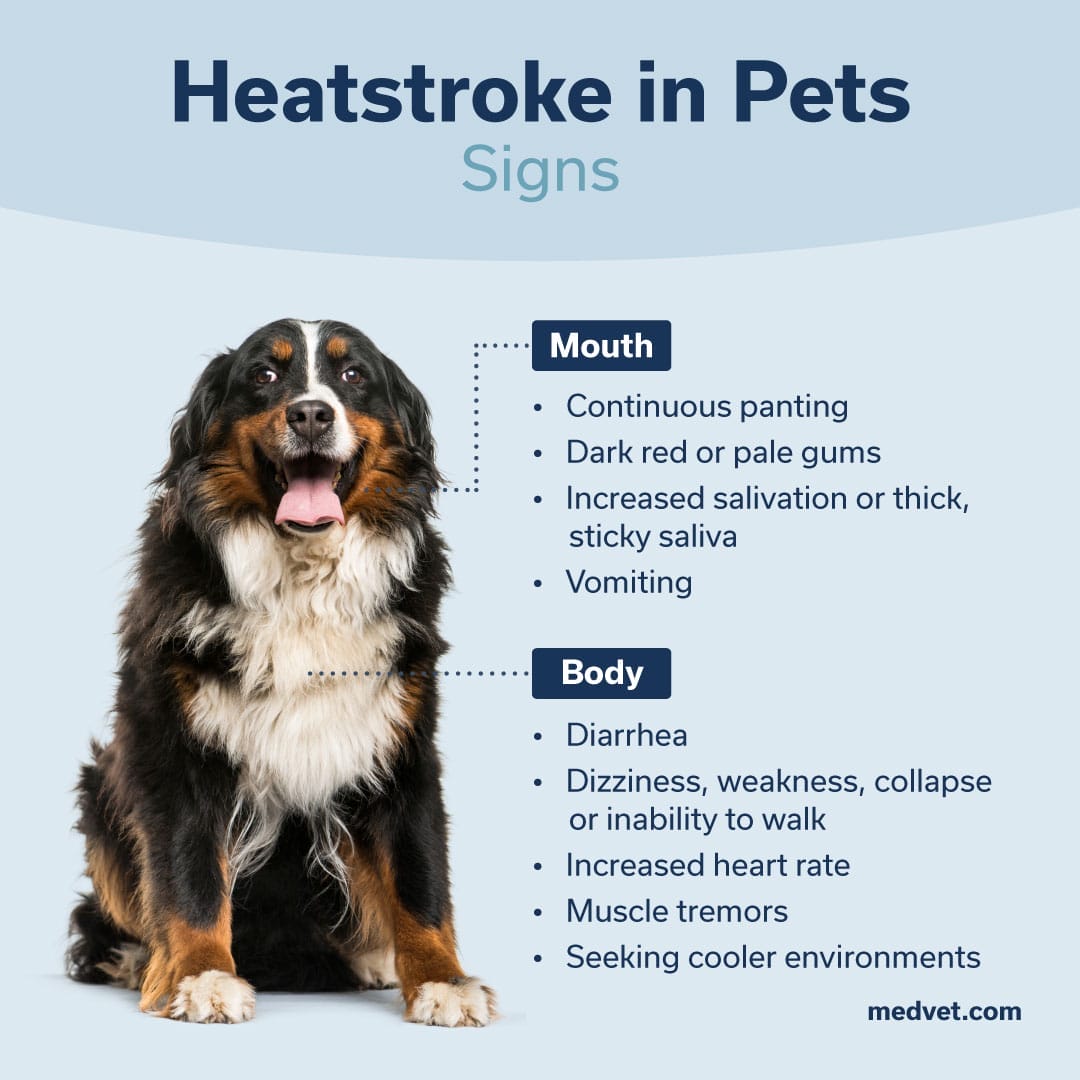
Warning signs:
Excessive panting
Drooling
Vomiting
Collapse
Bright red gums
👉 What to do:
Move to a cool area and get to the vet immediately.
9️⃣ Poisoning or Toxic Exposure

Common toxins:
Human medications
Cleaning products
Rat poison
Chocolate and grapes
Pesticides
👉 What to do:
Do not induce vomiting unless instructed by a vet.
🔟 Severe Pain or Constant Crying
Dogs rarely cry without a serious reason.
Possible causes:
Internal injury
Fractures
Severe infection
Organ failure
👉 What to do:
Pain that doesn’t stop is an emergency.
Alt text: Dog crying showing signs of severe pain
🏥 What to Bring to an Emergency Vet
✔ Any medications taken
✔ Time symptoms started
✔ Possible toxin exposure
✔ Vaccination records (if available)
🐾 Final Advice
If you’re ever unsure, err on the side of caution.
Emergency vets would rather see a dog that turns out fine than miss one that isn’t.
Your quick action could save your dog’s life ❤️


Comments
Post a Comment