Signs Your Cat Is in Pain: How to Recognize Hidden Symptoms
Cats are experts at hiding pain. In the wild, showing weakness makes them vulnerable, so domestic cats still instinctively mask discomfort—even when they are suffering.
This is why many cats are only taken to the vet when pain becomes severe or life-threatening. Knowing the early and subtle signs of pain in cats can help you act sooner, reduce suffering, and avoid expensive emergency vet visits.
This guide explains:
Physical and behavioral signs of pain in cats
Different types of pain (acute vs chronic)
Common medical causes
When pain becomes an emergency
What to do next as a responsible cat owner

🚨 Why Cat Pain Is Often Missed
Unlike dogs, cats rarely:
Cry loudly
Limp obviously
Seek comfort when hurt
Instead, cats withdraw, hide, and act “quiet.” Many owners mistake this for normal behavior or aging.
By the time pain is obvious, the condition may already require urgent veterinary treatment.
🔍 Common Signs Your Cat Is in Pain
1️⃣ Hiding More Than Usual
One of the earliest and most important signs of pain.
Watch for:
Hiding under beds or furniture
Staying in closets or dark corners
Avoiding people or other pets
👉 If hiding is new, persistent, and combined with appetite changes, a vet visit is strongly recommended.
2️⃣ Reduced Appetite or Not Eating
Pain often causes nausea and stress, leading to appetite loss.
Possible pain-related causes:
Dental disease
Kidney disease
Arthritis
Internal injury
⚠️ Cats that stop eating are at risk of fatty liver disease, which can become fatal.
3️⃣ Changes in Grooming Habits
Pain affects grooming behavior in two ways:
Overgrooming one painful area (belly, joints)
Neglecting grooming, causing a dull or matted coat
Both patterns are red flags.
4️⃣ Aggression or Irritability
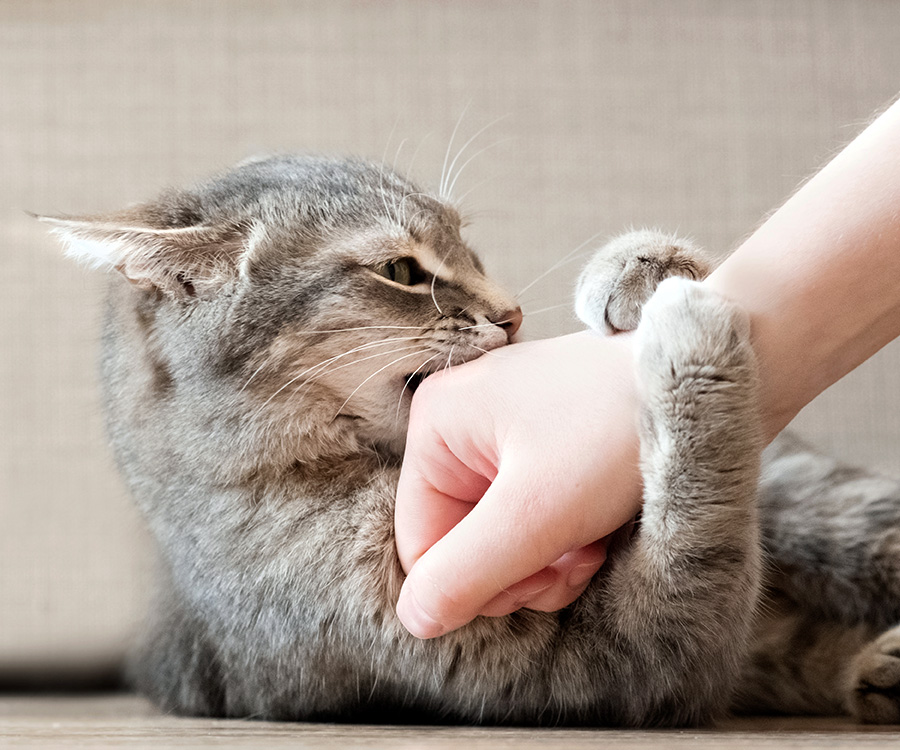
A normally friendly cat may:
Hiss
Growl
Bite or swat
Avoid being touched
This is often a defensive response to pain, not “bad behavior.”
5️⃣ Changes in Body Posture or Movement
Pain can affect how a cat moves or rests.
Signs include:
Hunched posture
Stiff or slow movement
Reluctance to jump
Limping (often subtle)
These are common in arthritis, injuries, and abdominal pain.
6️⃣ Vocalization Changes
Cats may vocalize more—or less—when in pain.
Watch for:
Sudden loud crying
Yowling
Growling when touched
Persistent or unusual vocalization should never be ignored.
7️⃣ Litter Box Changes
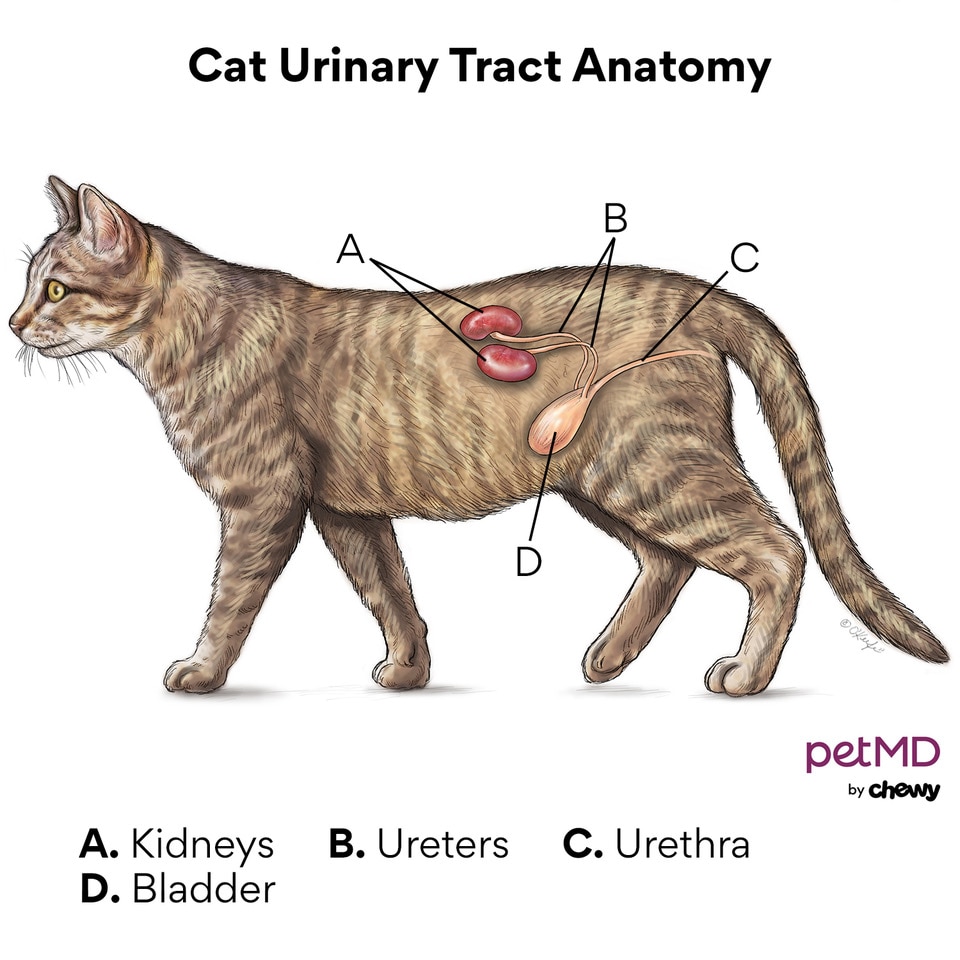
Pain often shows up in the litter box.
Red flags:
Straining to urinate or defecate
Going outside the litter box
Crying in the box
Blood in urine or stool
⚠️ Urinary pain—especially in male cats—is a medical emergency.
8️⃣ Rapid Breathing or Shallow Breaths
Pain can cause breathing changes.
Emergency signs:
Fast breathing at rest
Shallow breaths
Open-mouth breathing
👉 These symptoms require immediate veterinary care.
9️⃣ Dilated Pupils or Facial Changes
Cats in pain may show:
Dilated pupils
Squinting or closed eyes
Flattened ears
Tense facial muscles
Vets often use feline pain scales based on facial expression.
🔟 Lethargy and Withdrawal
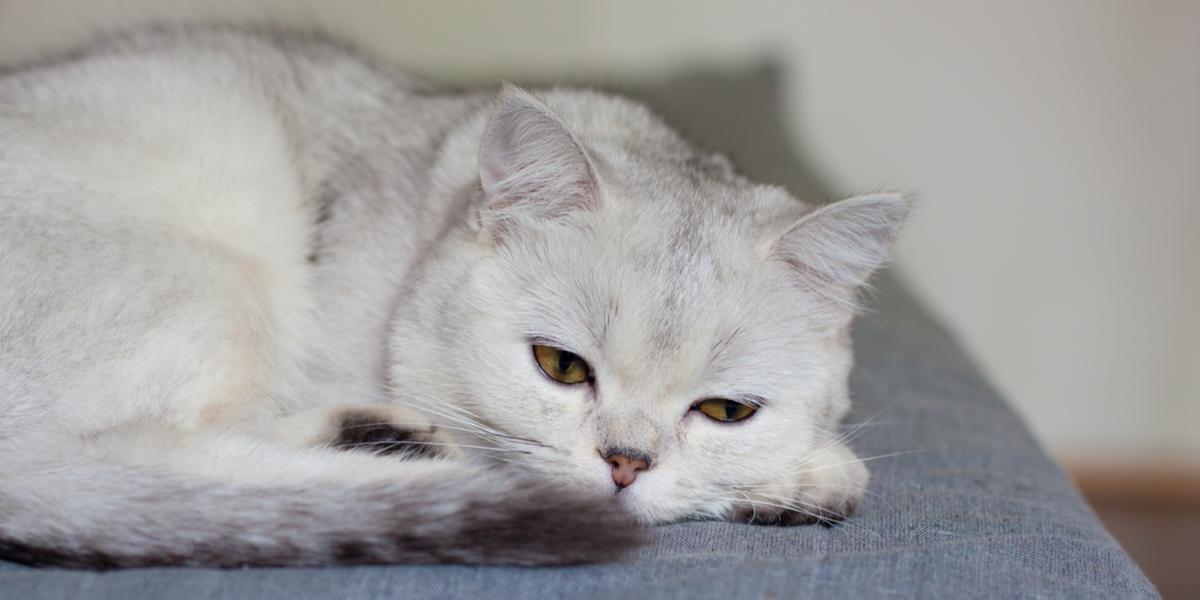
Pain drains energy.
Signs include:
Sleeping more than usual
Lack of interest in play
Staying in one spot
If lethargy lasts more than 24 hours, it’s time to call a vet.
🩺 Common Medical Causes of Pain in Cats
Pain can come from many conditions, including:
Dental disease
Arthritis and joint disease
Kidney disease
Urinary tract problems
Gastrointestinal disorders
Infections
Injuries or trauma
Cancer
Many of these conditions are manageable when caught early.
🚑 When Cat Pain Is an Emergency
Seek urgent or emergency vet care if your cat shows:
Not eating for 24+ hours
Difficulty breathing
Collapse or extreme weakness
Crying in the litter box
Pale, blue, or yellow gums
Sudden aggression with pain signs
❌ What NOT to Do
❌ Do NOT give human pain medication (toxic to cats)
❌ Do NOT force movement
❌ Do NOT assume pain is “just old age”
Only a veterinarian can safely diagnose and treat pain.
🐾 How Vets Manage Pain in Cats
A veterinary clinic may use:
Diagnostic tests (blood work, imaging)
Prescription pain medication (cat-safe only)
Anti-inflammatory treatment
Dental procedures
Diet and lifestyle adjustments
Early pain management improves comfort and reduces long-term costs.
🐱 Final Thoughts
If your cat’s behavior has changed—even slightly—listen to that signal. Cats don’t complain loudly, but they do communicate through behavior.
Recognizing the signs your cat is in pain can:
Prevent suffering
Reduce emergency vet bills
Improve quality of life
Extend lifespan
When in doubt, it’s always better to check with a veterinarian early.


Comments
Post a Comment