Why Do Dogs Lick You and Everything Else? The Real Reasons Behind the Slobber
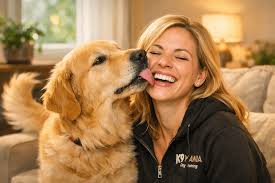
You know exactly what I’m talking about. You sit down after a long day, kick off your shoes, and before you can even open your phone your dog is right there, tongue out, going to town on your ankle like it’s the most important job in the world. Or maybe it’s the couch arm, the kitchen floor, or that one spot on the rug they’ve decided needs constant attention. If you’ve got a dog, the licking is part of the deal. It can feel sweet, annoying, or downright puzzling all at the same time.
I’ve lived with dogs my whole adult life, and I still catch myself laughing at how much tongue gets involved in everyday moments. My mixed-breed girl Riley does it every single evening—licks my socks the second I walk through the door, then moves on to my hands while I’m trying to cook. It’s not aggressive or strange; it’s just her. Other owners tell me the same stories: one friend’s beagle attacks the patio furniture, another’s golden spends half the day on the edge of the bed. So why do they do it? It’s not one single answer. It’s a handful of everyday reasons that make total sense once you see them from a dog’s point of view.
A lot of licking is straight-up affection. Dogs don’t text or hug the way we do. They use their tongues. That behavior starts the moment they’re born—their mom licks them to clean them, warm them, and calm them. It becomes their go-to way of saying “you’re mine and I like you here.” When Riley leans in and gives me those soft, steady licks on my arm while we watch TV, I know she’s just happy to be close. It’s their version of family time, and for most of us it’s one of the nicest parts of sharing a house with a dog.
But sometimes the reason is simpler: we taste interesting. Sweat, lotion, food smells, even the faint salt left on your skin after a workout—all of it registers as worth investigating to a dog. Their tongues and noses pick up details we never notice. I’ve watched Riley zero in on my hands right after I’ve been outside in the heat. One summer my neighbor’s dog kept licking the same patch of concrete on the patio because a kid had spilled a sugary drink weeks earlier. The scent hung around just enough to keep the dog coming back. It’s not weird to them; it’s information.


Attention-seeking is another big one. Dogs figure out fast that licking gets results. Ignore them while you scroll on your phone and suddenly there’s a wet nose and tongue on your wrist. Message received—you look down, talk to them, maybe give a scratch. They learn the trick and use it. Puppies are masters at this because they’re still testing what works. Even older dogs keep doing it if it reliably pulls your focus back to them.
Sometimes the licking isn’t happy at all. If your dog is going at it nonstop or focusing on one spot—paws, belly, or a certain patch of floor—it can point to boredom or stress. Dogs left alone too long without enough to do can turn licking into a habit that fills the empty time. It becomes soothing for them, like a person tapping their foot when nervous. More walks, shorter alone periods, and puzzle toys that make them work for their dinner usually dial it down quickly.


Health stuff matters too. Sudden or intense licking, especially on one area, can mean something physical is bothering them. Allergies from grass, food, or pollen make dogs lick their paws raw. Dry skin, fleas, hot spots, or even minor pain from arthritis can trigger the same response. Lip licking over and over can signal an upset stomach or dental trouble. I once watched a friend’s dog obsess over his side until the vet found a small hidden irritation from a bug bite. A short course of treatment and the licking stopped. The rule I follow is simple: if it looks different from their normal casual licks or comes with other changes like restlessness or less appetite, a vet visit is the smart move. Better to check than guess.
Puppies lick more than adults because their world is brand new and their mouths are their main way of learning. Teething adds to the urge too. As dogs get older the behavior usually settles, but some breeds stay extra lick-happy. Retrievers and Labs tend to use their tongues as a greeting tool because they were bred to be friendly with people. Herding breeds sometimes lick as part of their instinct to manage the group. Every dog is different, though, so your rescue mix might have its own special blend of reasons.


At the end of the day those licks are just one of the many ways dogs tell us they’re part of the family. They’re messy, they’re wet, and sometimes they happen at the worst possible moment. But they’re also honest. Your dog isn’t trying to annoy you; they’re trying to connect the only way they know how. Once you understand the why, it’s easier to enjoy the sweet parts and gently manage the rest. Next time Riley plants a big sloppy kiss on my knee while I’m trying to eat dinner, I just laugh, give her a quick ear rub, and hand her a toy. Life with dogs is better when you roll with the slobber.


Comments
Post a Comment